






مدونة
- A type poultry cage purchasing starts with production economics, material verification, automation planning, and measurable specifications.
Capacity planning connects flock targets with house dimensions, while commercial projects commonly operate across 56–64 production weeks.
Equipment integration covers feeding, drinking, egg handling, manure removal, ventilation, and daily management through coordinated engineering.
Supplier evaluation examines manufacturing capability, technical documentation, installation support, spare parts, and international project experience.
- Five practical buying tips combine engineering judgment with commercial analysis, helping farms avoid costly specification gaps before production begins.
Get professional poultry farm construction guidance, equipment selection solutions, and the latest price lists, whatsApp to +8618830120193, +2348111199996, or click to learn more.
Start With The Numbers, Not The Price
Buying an A type poultry cage is a technical investment, not simply a price comparison.
Before requesting quotations, define the production target, house dimensions, bird age, and automation requirements, with flock planning often beginning around 16–18 weeks and equipment utilization extending beyond 48 months.
A commercial A type chicken cage should therefore be evaluated according to the complete operating period.
Daily feeding, drinking, egg handling, manure management, and routine inspection require coordinated equipment, while a production house may perform 18–22 hours of daily operation during active management periods.
Buying Mistake #1: Comparing Quotations Without Standardizing Specifications
Data is for reference only.Swipe horizontally to view full table.
Two quotations may look similar while containing completely different configurations.
One supplier may quote a complete A type poultry cage system, while another may quote only the cage body, creating major differences in project scope.
For this reason, buyers should request a line-by-line equipment specification sheet before comparing prices.
A quotation should identify every major component, material specification, quantity, and technical configuration, with documentation preferably covering 100% of supplied equipment.
Smart Tip #1: Calculate Cage Capacity Before You Order
Use this calculation
Required cage quantity = target bird population ÷ effective capacity per module
Do not accept a capacity figure without checking how the calculation was prepared.
A type poultry cage capacity depends on cage configuration, bird size, compartment arrangement, and usable floor area, while commercial planning should also account for 2–5% operational allowance.
For example, a project designed for 30,000 laying hens requires a detailed A type chicken cage arrangement showing how the target population is distributed across rows and tiers.
Data is for reference only.Swipe horizontally to view full table.
A professional poultry equipment manufacturer should calculate cage quantity according to the actual house layout rather than simply multiplying a catalog capacity figure.
Project calculations should also consider daily mortality recording and weekly flock inventory, allowing cage planning to remain aligned with actual production management.
Buying Mistake #2: Ignoring Steel And Surface Treatment
Inspect these five points before signing
Frame → wire → welding → surface treatment → fasteners
An A type poultry cage operates in an environment containing moisture and ammonia, so material selection directly affects service performance.
Galvanized components should be verified against the actual coating specification, while routine washing may occur 1–2 times per production cycle depending on farm management procedures.
The manufacturing process also matters.
Automated forming can improve dimensional consistency, while controlled welding helps maintain joint quality across large cage installations.
For commercial A type chicken cage projects, even small dimensional deviations can accumulate across long rows, especially where installations exceed 50 cage modules per row.
Data is for reference only.Swipe horizontally to view full table.
These specifications provide a much more useful purchasing reference than simply asking whether the A type poultry cage is "strong" or "durable."
A technical procurement review should also examine batch consistency and component interchangeability, reducing replacement complications during multi-year operation.
Smart Tip #2: Evaluate Egg Protection As A Production Parameter
Follow The Egg
Hen → cage floor → egg rolling area → collection point → egg tray
An A type poultry cage does not generate value merely by housing birds.
The system must also support controlled egg movement, with collection workflows commonly organized around 2–4 collection periods per day according to farm output and labor arrangements.
The transition between each stage deserves particular attention.
An incorrectly designed floor can increase egg impact risk, while unsuitable collection geometry can make manual handling more difficult.
For commercial layer operations, egg collection equipment should be designed around the actual production workflow.
A coordinated A type chicken cage system can reduce unnecessary handling steps, while trained workers may inspect collection points at intervals of 30–60 minutes during peak production periods.
Buying Mistake #3: Forgetting The Feeding System
Data is for reference only.Swipe horizontally to view full table.
An A type poultry cage supplier should explain how feeding equipment integrates with the cage arrangement.
The position of the trough, drive system, and feed line affects equipment installation and daily management, while scheduled feeding may require 15–30 minutes per operating cycle depending on house scale.
An automatic A type chicken cage feeding system can also change labor allocation substantially compared with manual distribution.
For example, a feeding line operating at 24 m/min can provide a predictable delivery process across a large commercial house.
Smart Tip #3: Treat Drinking Equipment As A Separate Technical Decision
Water equipment deserves independent evaluation because inadequate delivery can directly affect flock management.
The three-question test
Question 1: how many birds does each nipple serve?
Question 2: what water pressure is required?
Question 3: how will pressure remain stable across the line?
A professional A type poultry cage drinking system should include pressure regulators, filters, water pipes, nipple drinkers, and appropriate end-line arrangements.
Pipeline design should also consider water temperature control, especially where incoming water can exceed 28°c during hot-weather operation.
Data is for reference only.Swipe horizontally to view full table.
These numbers allow buyers to compare actual A type chicken cage system designs rather than choosing equipment based only on photographs or product names.
Water-line maintenance should also include daily pressure observation and monthly filter inspection to keep supply conditions stable.
Buying Mistake #4: Underestimating Manure Management
Manual manure handling can become a major labor burden as flock size increases.
An A type poultry cage system should therefore integrate manure management during initial design rather than adding equipment after installation.
Imagine two farm days
Without a coordinated manure system
Workers repeatedly enter the cage area → collect manure → transport it → clean the working area.
With an integrated system
Manure accumulates in a controlled position → mechanical equipment removes it → workers perform inspection and maintenance.
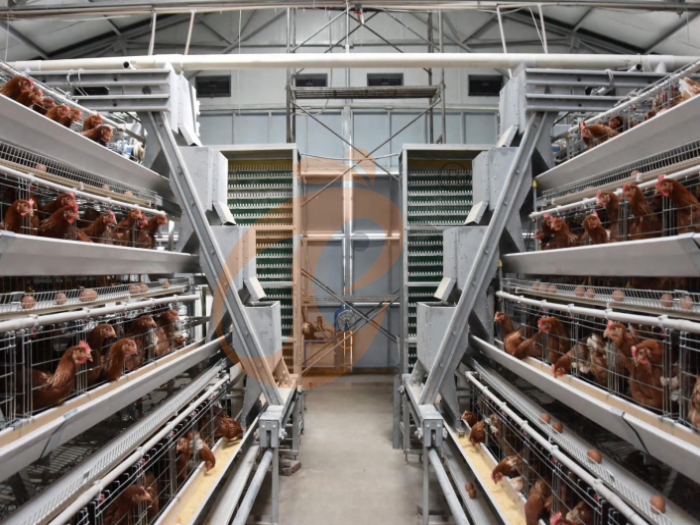
For multi-tier A type poultry cage installations, the vertical relationship between tiers and manure collection equipment should be calculated during layout design.
A properly planned installation can keep the manure route separate from the main operating aisle, while service access may require at least one dedicated maintenance route around major drive assemblies.
Smart Tip #4: Compare The Manure System With Real Operating Data
Data is for reference only.Swipe horizontally to view full table.
A supplier providing detailed operating parameters demonstrates deeper A type poultry cage engineering capability than a quotation containing only cage quantities and prices.
For farms with long cage rows, manure removal speed should be evaluated against actual row length and cleaning schedules.
A conveyor operating at 12 m/min provides a measurable basis for estimating removal duration across a defined production section.
Buying Mistake #5: Purchasing Equipment Without A Complete House Layout
Stop asking "which cage is cheapest?"
Instead, ask
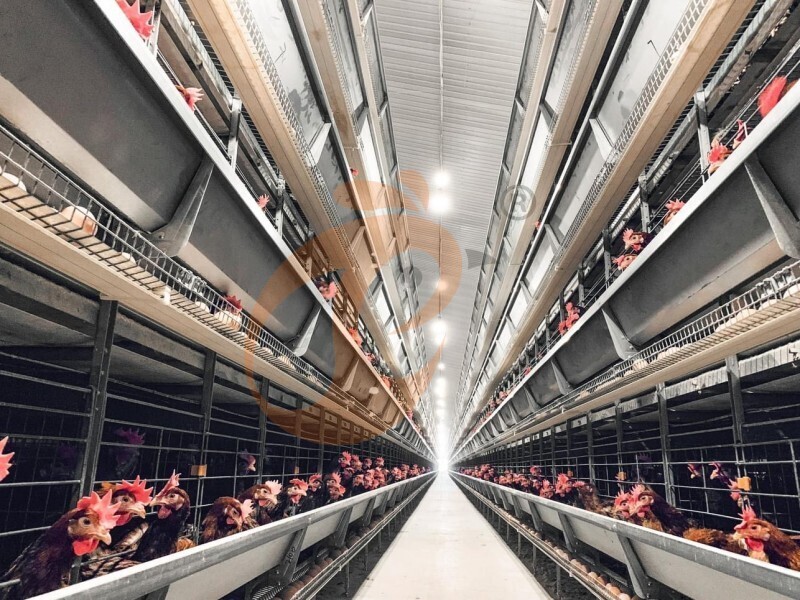
Where will the A type poultry cage rows go?
Where will workers walk?
Where will feed enter?
Where will eggs leave?
Where will manure exit?
Where will fresh air enter and stale air leave?
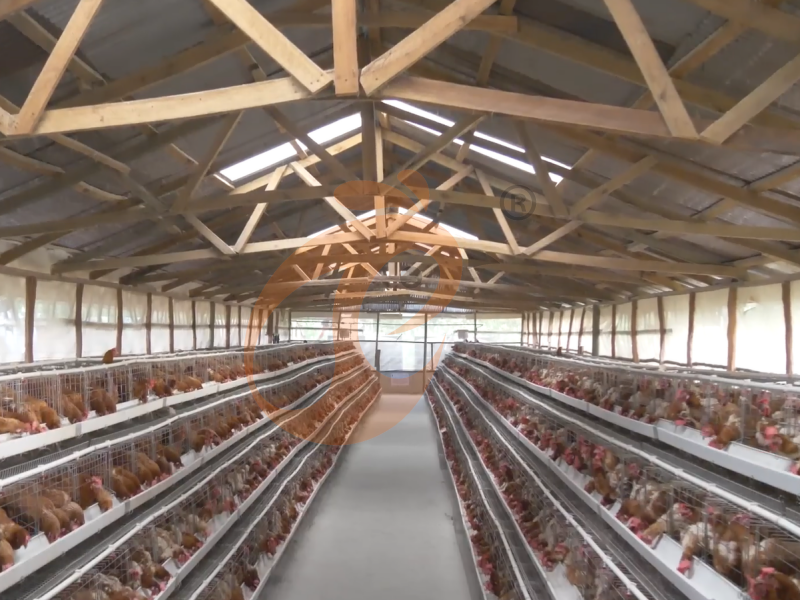
A complete poultry-house layout can reveal problems before A type chicken cage production begins.
Layout planning should also consider equipment delivery routes and door-to-house transport distances, because large components may require staged installation.
Data is for reference only.Swipe horizontally to view full table.
A professional poultry equipment manufacturer should convert building parameters into a practical A type poultry cage arrangement, equipment list, and installation drawing.
A properly coordinated layout can also shorten commissioning activities by organizing electrical, water, feed, and manure connection points before equipment arrival.
Smart Tip #5: Use A Supplier Qualification Scorecard
Score the manufacturer—not just the product
Before signing the purchase contract, evaluate the supplier through measurable criteria.
For an A type poultry cage project, technical communication should cover cad drawings, equipment schedules, installation procedures, and commissioning documentation.
Data is for reference only.Swipe horizontally to view full table.
The objective is to reduce supplier risk before A type poultry cage production starts.
A manufacturer capable of supplying cages, feeding equipment, drinking systems, manure equipment, and related components can provide stronger system compatibility than several unrelated suppliers.
Frequently Asked Questions
Q1: What should be checked before buying an A type poultry cage?
A1: Check cage configuration, material specifications, equipment compatibility, house layout, installation documentation, and after-sales support.
Project review should also confirm bird age at placement and planned flock turnover frequency before final equipment selection.
Q2: How can buyers compare different A type poultry cage quotations?
A2: A2: Compare complete equipment lists rather than headline prices.
A useful quotation should connect cage configuration with feeding, drinking, egg handling, manure removal, installation, and spare-parts requirements, with at least three supplier quotations recommended for technical comparison.
Q3: Why is complete poultry equipment integration important?
A3: Integrated equipment reduces interface problems between separate systems.
A coordinated A type poultry cage project can connect mechanical equipment with electrical controls and water systems, while commissioning can be organized through sequential system testing before birds enter the house.
Taiyu (HK) Group - One Of China Toppest A Type Poultry Cage Manufacturer
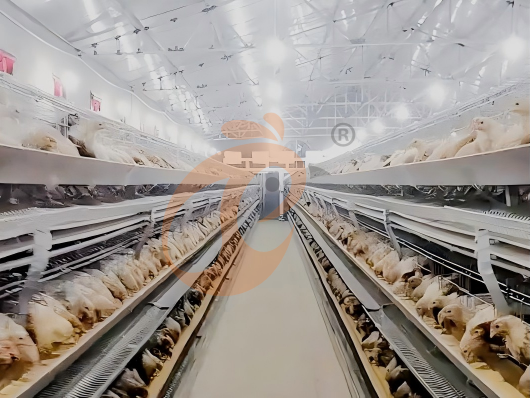
A type poultry cage systems provide structured layer housing with configurable tiers, galvanized components, and integrated feeding and drinking interfaces for commercial farm projects.
Global factory direct sales connect production, engineering drawings, equipment configuration, quality inspection, and international shipment through one technical supply chain.
Poultry equipment packages combine cages, feeding, drinking, egg collection, manure removal, ventilation coordination, and project-specific installation documentation.
Turn-key engineering covers house planning, equipment selection, manufacturing, installation guidance, commissioning procedures, and operational handover for complete poultry projects.
International project support coordinates technical specifications, export packaging, spare parts, and engineering communication for farms requiring standardized equipment procurement.
Contact Us To Received Your Customized Poultry Farm Plan
Headquarters And Branchs
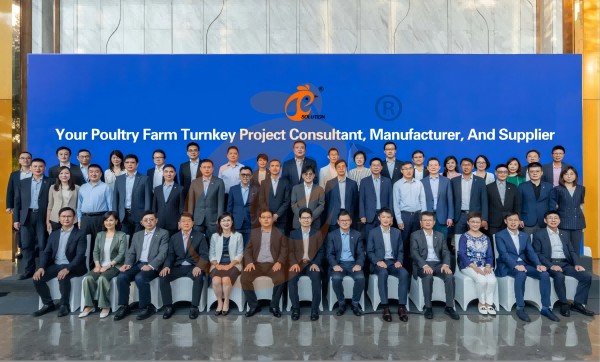
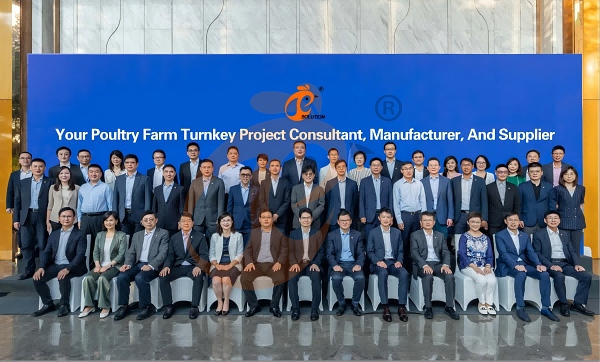
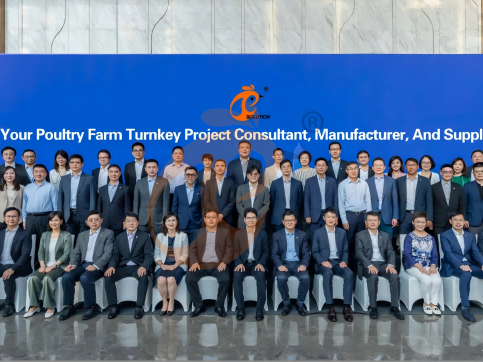
Hong Kong Headquarter Management Team
Hong Kong Headquarter Taiyu Industrial Group CO., LTD
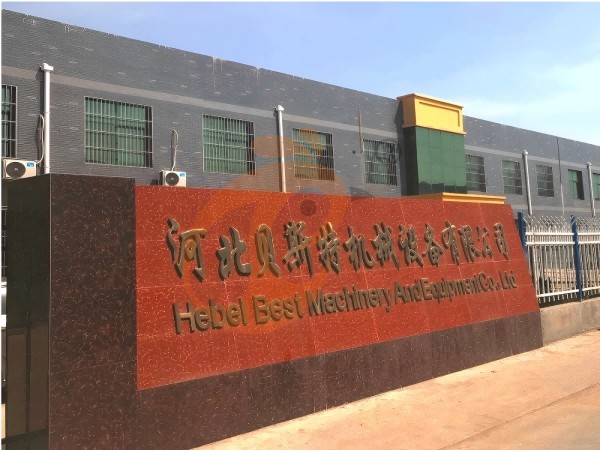
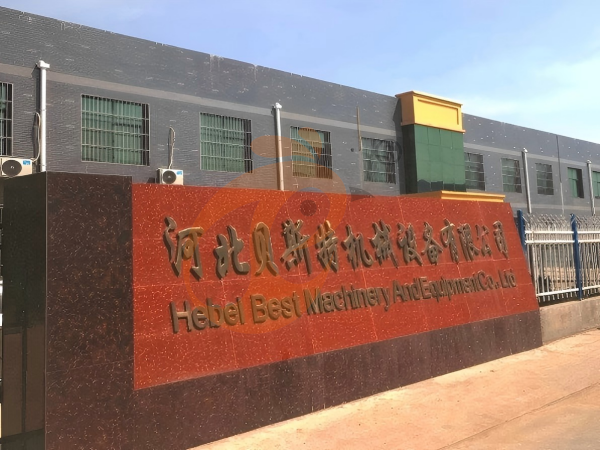
China Hebei Best Machinery And Equipment CO., LTD
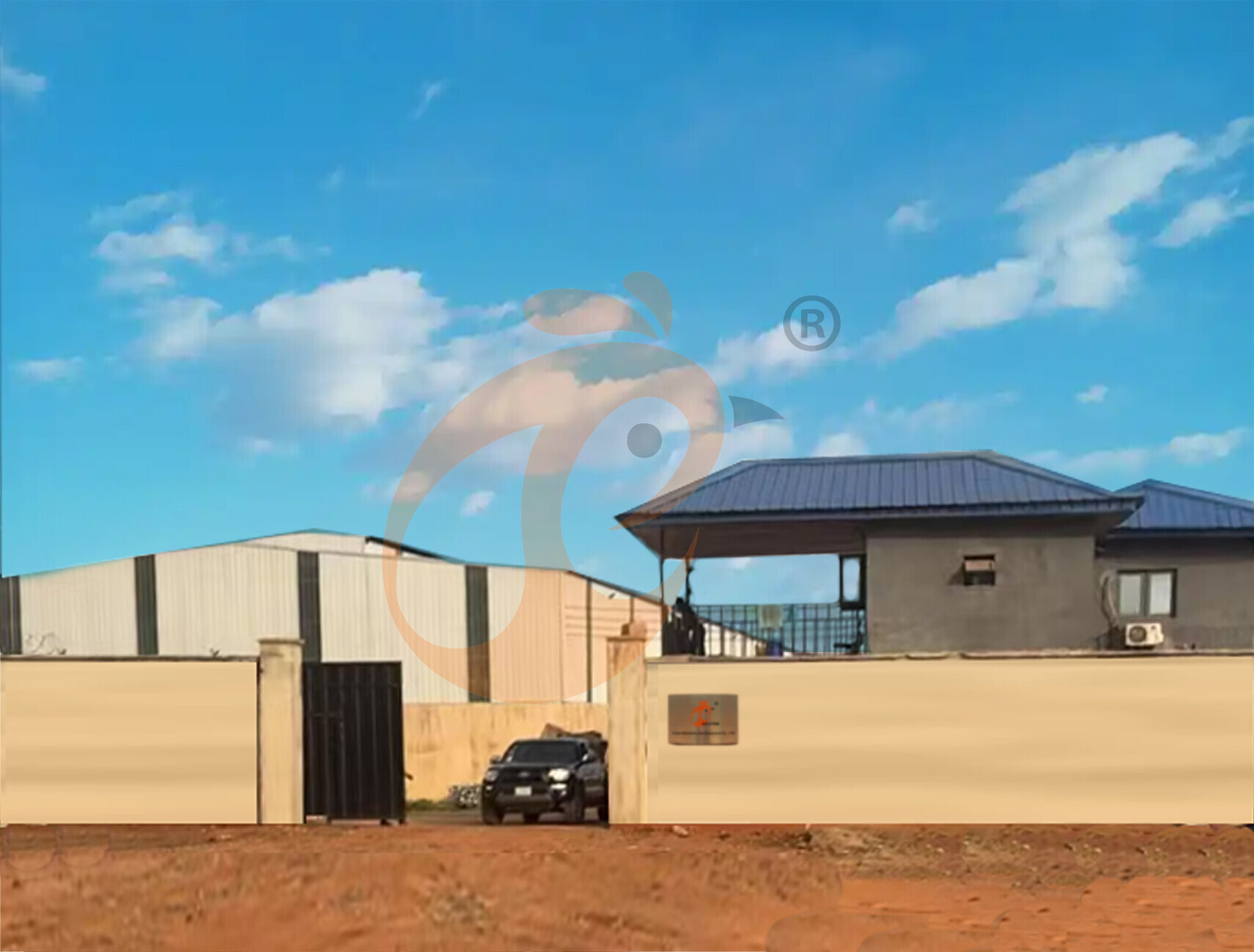
Nigeria Vanke Machinery And Equipment CO., LTD
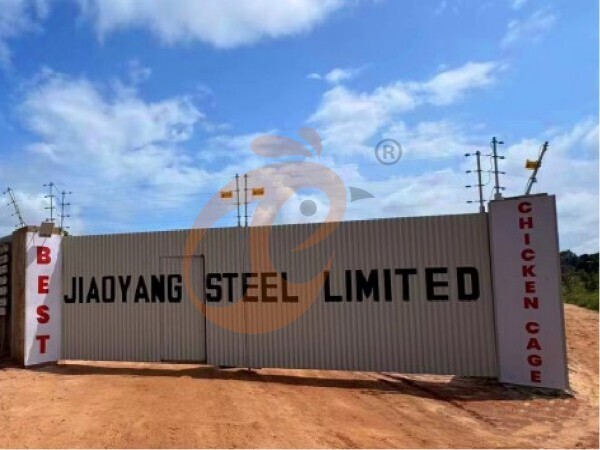
Tanzania Best Machinery And Equipment CO., LTD
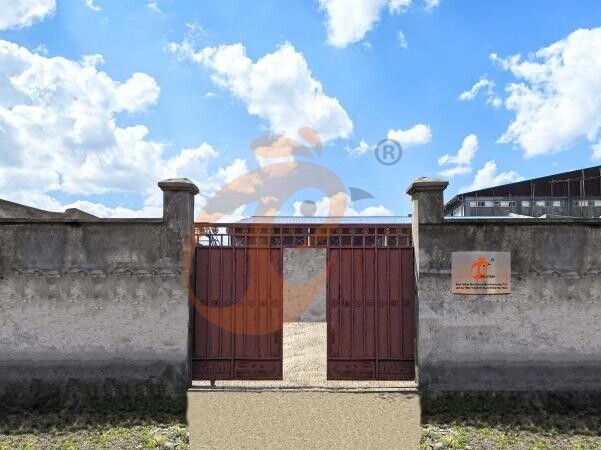
Ethiopia Best Hebei Machinery Manufacturing PLC
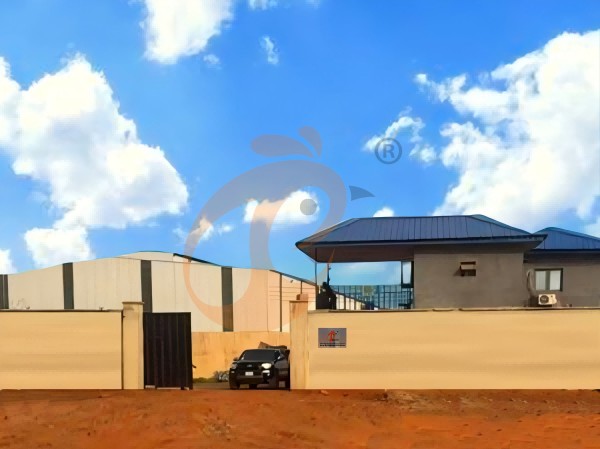
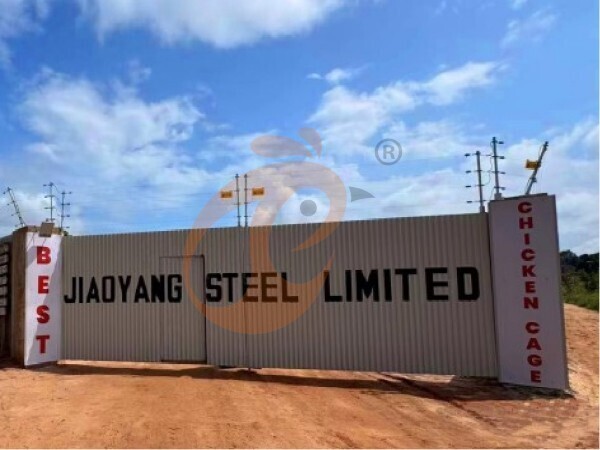
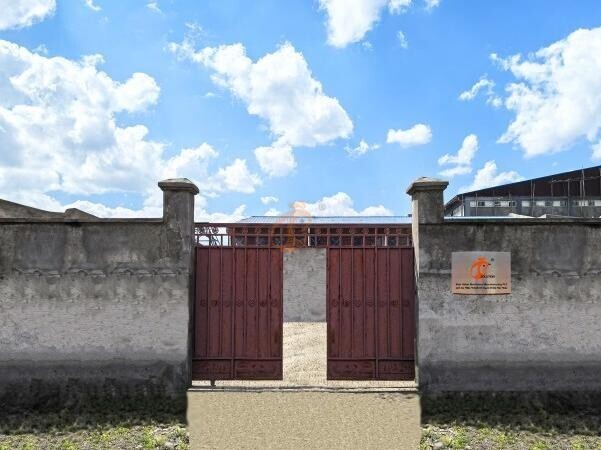
Reception /24 WhatsApp NO. : +8618830120193
الأسئلة الشائعة
- poultry equipment
- chicken cage
- layer cage
- poultry farm
- feeding equipment
- poultry farm
- poultry cage
- poultry cage manufacturer
- automatic feeding system
- poultry equipment manufacturer
- poultry house
- poultry house layout
- poultry cage system
- chicken cage system
- poultry cage supplier
- Ethiopia
- Nigeria
- poultry farm construction
- poultry cage quotation
- chicken cage project
- poultry equipment factory
- إنتاج أقفاص الدجاج
رسالة
المنتجات الموصى بها
 المقر الرئيسي في هونغ كونغ يقدم حلول مزارع الدواجن وفقًا للمعايير الأوروبية، ويصنع معدات مزارع الدواجن1. تواصل مستمر مع الاتحاد الأوروبي والولايات المتحدة
2. فروع الشركة والمصانع في الصين ونيجيريا وإثيوبيا وتنزانيا
3. جودة المنتجات مصممة خصيصًا لمزارع الدواجن المحلية
4. مخزون من أقفاص الدواجن ومعدات مزارع الدواجن متاح للبيع
5. استقبال عبر الإنترنت على مدار 24 ساعة عبر واتساب رقم: +8618830120193، اتصل بنا للحصول على معلومات كاملةاقرأ المزيد تقدم الفرع الصيني خطة عمل لمزرعة الدواجن، وتصنيع معدات مزرعة الدواجن1. العنوان: شقة/غرفة 2416، الطابق 24، مبنى رونكسينغ، شارع يوي نان، مدينة شيجياتشوانغ، مقاطعة خبي، الصين
2. مصنع معدات أقفاص الدواجن ومزارع الدواجن ومخزون للبيع
3. مخصص لمزارع الدواجن المحلية
4. الجودة والتصميم قائم على المعايير الأوروبية
5. استقبال عبر الإنترنت على مدار 24 ساعة رقم واتساب: +8618830120193اقرأ المزيد فرع نيجيريا يقدم خطة عمل مزرعة دواجن، تصنيع معدات مزرعة دواجن1. العنوان: بعد مكتب Sinoma، 200 متر بالقرب من محطة دانكو للوقود، طريق لاغوس/إيبادان السريع، ولاية لاغوس، نيجيريا
2. مصنع أقفاص الدواجن ومعدات مزارع الدواجن والمخزون المعروض للبيع
3. مخصص لمزارع الدواجن النيجيرية
4. الجودة والتصميم تعتمد على المعايير الأوروبية
5. استقبال عبر الإنترنت على مدار 24 ساعة رقم الواتساب: +8618830120193اقرأ المزيد عرض خطة عمل لمزرعة دواجن في فرع إثيوبيا، وتصنيع معدات مزارع الدواجن1. العنوان: جيلان غورا، منطقة أَكاكي-كاليتي الفرعية، أديس أبابا، إثيوبيا
2. أقفاص الدواجن ومعدات مزارع الدواجن المتوفرة للبيع
3. مخصصة لمزارع الدواجن الإثيوبية
4. الجودة والتصميم وفقًا للمعايير الأوروبية
5. خدمة استقبال عبر WhatsApp على مدار 24 ساعة. الرقم: +8618830120193، تواصل معنا للحصول على قائمة الأسعاراقرأ المزيد فرع تنزانيا يقدم خطة عمل مزرعة الدواجن، تصنيع معدات مزرعة الدواجن1. العنوان: رقم 8، طريق سوفا، مسوفيني، ميلانديزي، كيباها، بواني، تنزانيا
2. مصنع أقفاص الدواجن ومعدات مزارع الدواجن والمخزون المعروض للبيع
3. مخصص لمزارع الدواجن التنزانية
4. الجودة والتصميم تعتمد على المعايير الأوروبية
5. الاستقبال عبر الإنترنت 24 ساعة رقم واتساب: +8618830120193اقرأ المزيد قفص دجاج بياض من النوع H أوتوماتيكي بالكامل1. 30,000-100,000+ طبقة/بيت تختاره، يمكن لمربي الدواجن تحقيق معدل إنتاج بيض بنسبة 96-98%
2. تحسن كبير مقارنة بـ 85-90% الذي يُشاهد عادةً في الأنظمة اليدوية
3. يمكن لمزرعة دواجن نموذجية توقع انخفاض في تكاليف العمالة بنسبة 30-40% بسبب الأتمتة
4. كل خط تغذية يزود العلف بكفاءة لحوالي 100,000 دجاجة كل 30 دقيقة
5. رقم الاستقبال/واتساب: +8618830120193اقرأ المزيد قفص دجاج البياض الأوتوماتيكي بالكامل من النوع A1. اختيار 10,000-50,000 دجاجة/منزل
2. جمع بيض أنظف يقلل الكسر بنسبة 0.5%
3. تحسين النظافة يساعد في تقليل معدل الوفيات إلى <3%
4. يمكن لـ 1-2 فنيين التعامل مع 15,000-30,000 طائر
5. رقم الاستقبال/واتساب: +8618830120193اقرأ المزيد قفص دجاج شبه أوتوماتيكي من النوع H1. 1,00-20,000 طبقة/بيت تختارها
2. حلمات الشرب تدفق 30-60 مل/دقيقة
3. مغطس ساخن بالزنك (طبقة نموذجية ≥ 275 جم/م²)
4. تقليل الأمونيا بنسبة ~ 35-40%
5. استقبال /واتساب رقم: +8618830120193اقرأ المزيد قفص دجاج بياض نصف أوتوماتيكي من النوع A١. يختارها من ١٠٠ إلى ٢٠٠٠٠ دجاجة بياضة/حظيرة، مقاومة للصدأ لمدة ١٠ سنوات، ومقاومة للتشوه لمدة ١٥ عامًا. ٢. تعيش الدجاجات حياة مريحة، ويمكنك تربيتها براحة بال. ٣. توفير الماء والمال - كفاءة قابلة للقياس. ٤. تحسين جودة البيئة وزيادة إنتاج البيض. ٥. رقم الاستقبال/واتساب: +٨٦١٨٨٣٠١٢٠١٩٣اقرأ المزيد
بالنقر على 'السماح للجميع'، فإنك توافق على تخزين ملفات تعريف الارتباط على جهازك لتعزيز تصفح الموقع، وتحليل استخدام الموقع والمساعدة في جهودنا التسويقية.